3D SVG Centerpieces: 3D Papercraft Comic POOF Review
As a brand designer who has spent over a decade helping local businesses define their visual voice, I approach every new graphic design asset with a critical eye. It is not just about whether an illustration looks cute on a screen; it is about how it functions in the real world of small business branding. Recently, I evaluated the 3D Papercraft Comic POOF for a potential client project involving a boutique comic book shop and a playful children’s bakery. My goal was to determine if this asset could elevate their brand identity or if it was merely decorative noise. What I found was a versatile tool that, when used correctly, adds significant dynamic energy to packaging design and promotional materials.
First Impressions: Energy and Motion in Static Design
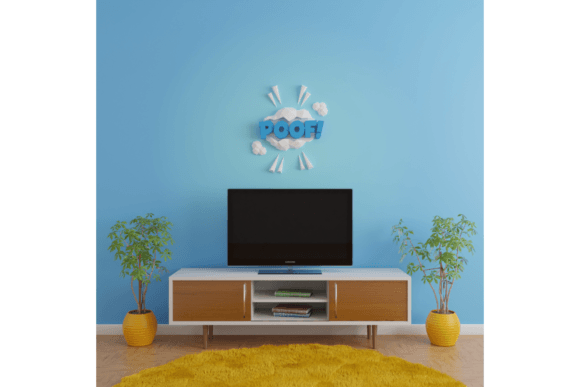
The immediate impact of the 3D Papercraft Comic POOF is its sense of motion. In static design, creating the illusion of action is challenging. This asset succeeds by mimicking the classic pop-art explosion shape, rendered with a layered, papercraft aesthetic. It feels tactile, friendly, and bold. For a local business aiming to project a personality that is approachable and fun, this is a strong starting point. It does not scream luxury or minimalism; instead, it suggests creativity, spontaneity, and handcrafted quality. This makes it an ideal fit for handmade business owners who want to emphasize the human touch in their products.
When considering this as a digital product for your toolkit, note that the "3D" aspect refers to the visual depth created by shadows and layering in the SVG design or high-resolution PNG. This depth allows it to stand out against flat backgrounds, making it an excellent choice for creating visual hierarchy in crowded layouts. It draws the eye immediately, which is crucial for social media graphics where you have milliseconds to capture attention.
Strategic Applications for Local Brands
The true value of any design asset lies in its versatility. During my review, I mapped out several practical applications for the 3D Papercraft Comic POOF across different touchpoints of a customer journey. Here is how it can be integrated into a cohesive commercial design strategy:
- Product Labels and Packaging: Use the POOF shape as a background for key selling points, such as "New Flavor," "Limited Edition," or "Handmade." It acts as a spotlight, ensuring the text inside is readable and prominent. This works exceptionally well for snack brands, craft beverages, or artisanal soaps.
- Social Media Graphics: In Canva template designs or custom posts, place the POOF behind discount codes or announcement text. It breaks the grid layout and adds excitement to Instagram stories or Facebook ads.
- Thank-You Cards and Inserts: For e-commerce sellers, including a printed thank-you card with a large POOF graphic saying "Wow!" or "Thanks!" creates a memorable unboxing experience. It reinforces the emotional connection between the brand and the buyer.
- Promotional Flyers and Posters: When designing event posters for a local shop, use the asset to highlight dates or special guest names. It serves as an effective anchor point in editorial design layouts.
While the product description notes it is perfect for living rooms or kids' rooms as wall art, from a branding perspective, we translate this decorative potential into marketing visuals. The same energy that fills an empty wall can fill white space on a product mockup, turning a bland presentation into something engaging.
Enhancing Brand Presentation and Trust
Consistency builds trust. When you use a distinct element like the 3D Papercraft Comic POOF across various platforms, it becomes part of your professional branding lexicon. Customers begin to associate that specific shape and style with your business. This recognition leads to better shelf appeal in physical stores and higher click-through rates online.
Furthermore, using high-quality clipart or illustration elements signals that you care about the details. Sloppy or generic graphics can undermine a brand's perceived value. Conversely, a well-integrated, custom-colored POOF graphic suggests a polished, thoughtful approach to logo design adjuncts and supporting visuals. It supports the narrative that your products are special and worth noticing.
Where to Use It Carefully
Despite its versatility, this asset is not a universal solution. As a designer, I advise caution in the following scenarios:
- Formal Corporate Branding: If you are designing for a law firm, financial institution, or high-end luxury spa, the playful nature of the POOF may clash with the desired tone of seriousness and elegance.
- Crowded Packaging: Do not place this asset near mandatory legal information, ingredient lists, or barcodes. It competes for attention and can make essential text hard to read. Keep it away from low-contrast areas where the intricate edges might get lost.
- Very Small Labels: On tiny containers, such as sample-sized cosmetics or small spice jars, the detailed layers of the 3D effect may blur when printed at a small scale. Always test print resolution before finalizing.
Practical Designer Notes for Implementation
To get the most out of this printable design, follow these technical checks before sending files to print or publishing online:
First, always verify the commercial license terms. Ensure that your usage aligns with the permissions granted by the creator, especially if you are selling physical products featuring the design. Next, test the asset in black and white. A good graphic should hold its shape and recognizability even without color. This ensures it works for single-color printing methods like stamping or embossing.
Preview the 3D Papercraft Comic POOF alongside your chosen typography. It pairs surprisingly well with bold sans serif font styles for a modern look, or chunky display font choices for a retro comic vibe. However, avoid pairing it with delicate script font or thin handwritten font styles inside the shape, as the contrast in weight can make the text illegible.
If you are using the 3D SVG version, take advantage of its scalability. You can edit the nodes to adjust the shape slightly to fit specific text lengths or to match other curved elements in your web design. For raster users, check the PNG transparency to ensure clean edges when overlaying it on colored backgrounds. Finally, compare your final product label with competitor packaging. Does your use of the POOF make your product stand out? If yes, you have successfully leveraged the asset to enhance your local business presence.
In conclusion, the 3D Papercraft Comic POOF is more than just a decorative Centerpieces element for home decor. For the savvy brand owner, it is a strategic tool for adding emphasis, energy, and personality to packaging design and marketing visuals. By understanding its strengths and limitations, you can transform a simple graphic into a powerful component of your small business branding strategy.