Hestia Dahlia: A Designer’s Review for Real Embroidery
As a designer who spends more time staring at stitch maps than finished garments, I have learned to look past the glossy marketing renders. When a new file lands on my desktop, my first question is never about how pretty it looks on a white background. I want to know how it behaves under the needle. Does it pull? Does it register correctly? Will my client actually love wearing it after three washes? Recently, I evaluated Hestia Dahlia, a design that initially caught my eye for its vibrant energy and structural complexity. While the product description categorizes it within the realm of Paper Flowers and notes its origin as a 3D SVG from Maison Gregoria, my job was to translate that digital promise into tangible thread.
First Impressions: Mood and Visual Personality
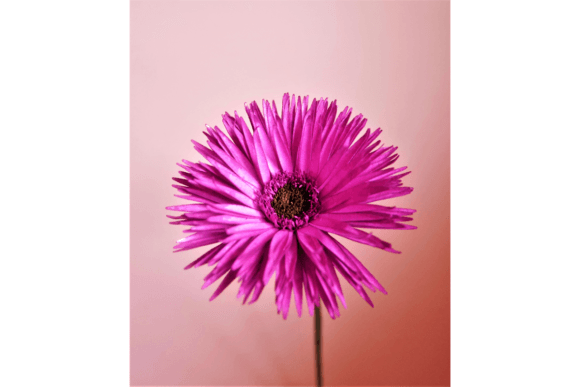
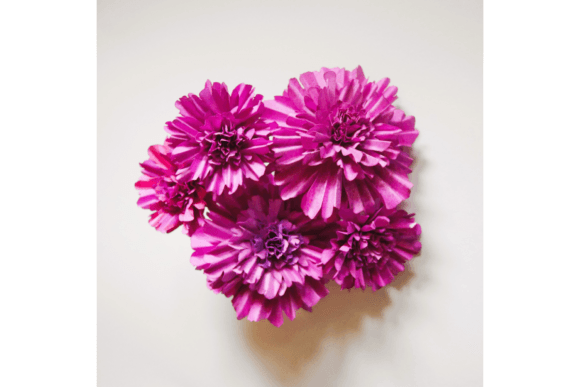
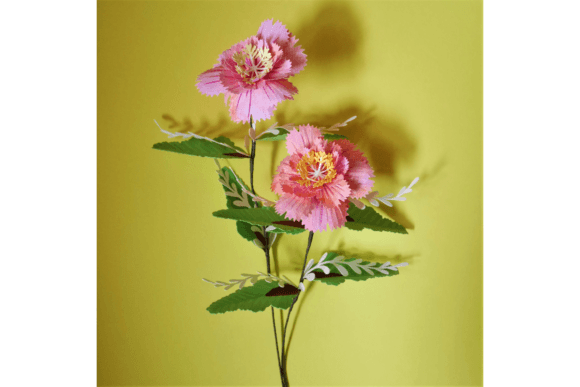
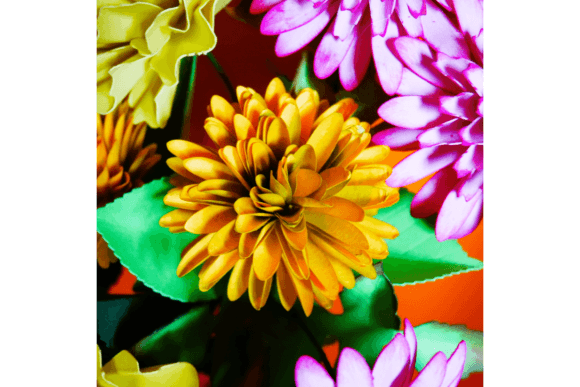
The immediate impact of Hestia Dahlia is warmth. The interplay of orange and yellow tones suggests late summer sunlight, creating a mood that is both inviting and sophisticated. For an embroidery designer, this color palette is a gift because it offers high visibility without being neon or cheap-looking. The shape of the dahlia is intricate, with layered petals that suggest depth even before a single stitch is laid down. This visual personality makes it versatile. It does not scream for attention like a cartoon character; instead, it invites closer inspection. This subtlety is crucial for high-end custom apparel where the goal is elegance rather than novelty.
In terms of layout, the design feels balanced. The radial symmetry of a dahlia naturally draws the eye to the center, which is excellent for placement on chest pockets, cap fronts, or the center of tote bags. However, the detail level raises immediate questions about stitch density. A "meticulously crafted" appearance in a digital file often translates to dense fill stitches in reality. My initial assessment suggested that this design would require careful handling regarding fabric choice and stabilizer selection to prevent puckering.
Real-World Application: From Digital File to Finished Product
To truly test Hestia Dahlia, I moved beyond theoretical analysis and considered specific project scenarios. I imagined using this machine embroidery design for a custom embroidered tote bag. Canvas is a sturdy fabric, but it has a visible weave. The challenge here would be ensuring the finer petal details do not get lost in the texture of the material. I would likely opt for a heavier cut-away stabilizer to support the weight of the stitches and ensure the design remains crisp.
Another practical application I explored was sweatshirt embroidery. Fleece and French terry are forgiving fabrics, but they are thick. The Hestia Dahlia, with its potential for dense stitch areas, could become stiff if not managed correctly. For a boutique product or small shop merchandise, stiffness is a dealbreaker. Customers want softness. In this context, I would consider simplifying the innermost details or using a combination of satin stitch for the outlines and lighter fill stitches for the petals. This approach maintains the visual appeal of the 3D SVG inspiration while ensuring the finished product feels premium to the touch.
For Etsy sellers and craft business owners, the versatility of this design is a major selling point. It works beautifully as a standalone motif for personalized gifts, such as baby items or kitchen towels. However, for baby embroidery, safety and comfort are paramount. I would advise reducing the overall size and ensuring no long thread tails remain, as these can pose hazards. On a tea towel, the design adds a touch of artisanal charm, elevating a simple household item into a holiday gift worth giving.
Navigating Technical Challenges and Fabric Constraints
While Hestia Dahlia is visually stunning, it is not without its technical demands. One area where caution is required is on stretchy fabrics. Jersey knits and spandex blends move with the body, but embroidery does not. If you attempt to stitch this design directly onto a thin, stretchy t-shirt without proper stabilization, the result will likely be warped fabric and distorted petals. I always recommend testing the design on scrap fabric first, specifically the same type and weight as your final garment. This step is non-negotiable for professional results.
Dark fabrics present another challenge. The vivid oranges and yellows of the Hestia Dahlia rely on contrast. On a black or navy background, the design will pop, but only if the thread colors are high-quality and vibrant. Cheap thread will look dull against dark fabric. Additionally, I suggest checking the design in a black-and-white mockup. This helps you see the value structure of the embroidery file. If the design relies too heavily on subtle shading, it might lose definition on dark textiles. In such cases, adding a light-colored underlay or choosing a slightly lighter shade for the base petals can improve stitching clarity.
Curved surfaces, such as caps and hats, require special attention. The rigid nature of a structured cap means that a large, dense design like Hestia Dahlia could cause the front panel to buckle. For an embroidered patch or cap application, I would recommend scaling down the design significantly. Alternatively, creating it as an applique design could reduce stitch density while maintaining the floral shape. This technique involves stitching a fabric shape onto the garment and then embroidering over the edges, which is ideal for textured fabrics or when you want to minimize bulk.
Enhancing Brand Value and Customer Trust
For commercial embroidery projects, the quality of the finished product directly impacts brand consistency and customer trust. A well-executed Hestia Dahlia signals professionalism. It shows that the maker understands proportion, color theory, and technical precision. This level of care increases the perceived value of handmade products. Whether you are selling printable mockups, digital embroidery files, or physical goods, the presentation matters. A clean, crisp embroidery job encourages buyer engagement and positive reviews.
When using this design for small shop products, consider how it fits into your broader aesthetic. Does it complement your other design assets? Consistency in style helps build recognition. If your brand is known for botanical themes, Hestia Dahlia fits seamlessly. If your brand is minimalist, you might use this design sparingly as an accent rather than a focal point. Understanding where the design belongs in your catalog is key to effective merchandising.
Practical Notes for the Embroidery Designer
Before you commit to stitching Hestia Dahlia on a client’s expensive garment, take these practical steps:
- Check Stitch Density: Review the stitch count and density settings in your software. If it seems too heavy for your fabric, adjust the settings or choose a sturdier material.
- Test Thread Colors: Do not rely solely on screen colors. Pull actual threads and lay them against your fabric. Lighting affects how orange and yellow appear, so test in natural light if possible.
- Confirm Hoop Size: Ensure the design fits comfortably within your hoop with adequate margin for stabilization. Crowding the hoop can lead to misalignment.
- Inspect Small Details: Zoom in on the digital file. Are there tiny elements that might not stitch out cleanly? Simplify if necessary.
- Verify Licensing: If you plan to sell finished items or digital products, confirm the license terms with Maison Gregoria or the original creator. Commercial use rights vary, and protecting your business is essential.
In conclusion, Hestia Dahlia is a compelling addition to any embroidery designer’s library. It offers a blend of artistic beauty and technical challenge that rewards careful execution. By understanding its strengths and limitations, you can create stunning, durable, and valuable products that resonate with customers. Whether for a personal project or a commercial venture, this design has the potential to shine, provided it is treated with the respect and expertise it deserves.