Paris Card 3D SVG: A Designer’s Review
As a designer who has spent countless hours digitizing and testing files for real-world application, I approach every new machine embroidery design with a mix of curiosity and caution. We have all been there: downloading a file that looks stunning in the preview thumbnail, only to find it puckers the fabric or loses its charm once stitched out. Today, I am taking a close look at the Paris Card 3D SVG, a digital asset categorized under Shapes, to see if it holds up under the scrutiny of actual production.
This is not just about whether the file opens correctly in software; it is about how this 3D SVG translates into a tangible, high-quality finished product. Whether you are an Etsy seller looking to expand your catalog or a hobbyist creating a personalized gift, understanding the practical nuances of this design is essential before you thread your needle.
First Impressions and Visual Personality
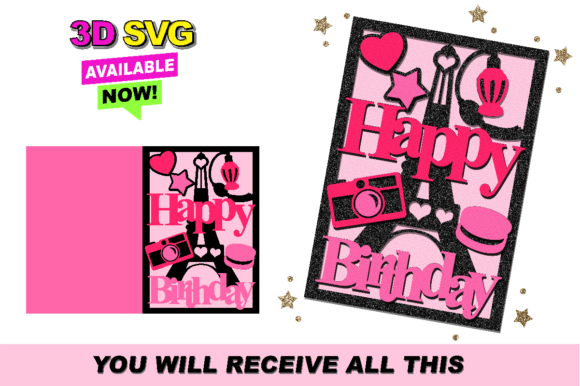
The first thing that strikes me about the Paris Card 3D SVG is its structural clarity. In the world of design assets, simplicity often wins over complexity, especially when working with cut files and embroidery hybrids. The shape evokes a sense of romantic nostalgia, fitting perfectly with the Parisian theme. It does not rely on overly intricate details that might get lost in translation; instead, it uses bold, clean lines that suggest sophistication without demanding impossible precision from your machine.
The mood is elegant yet accessible. It feels like a design that belongs on a boutique item rather than a mass-produced commodity. For those of us running a craft business, this visual personality is crucial. It signals quality. When a customer sees this shape, they do not just see a card; they see a story. This emotional connection is what drives engagement and sales in the competitive market of handmade products.
Real-World Application: The Tote Bag Test
To truly evaluate the Paris Card 3D SVG, I imagined a specific project: a custom canvas tote bag design for a local bookstore’s spring collection. Canvas is a forgiving fabric, but it requires a design that can stand up to the texture without getting swallowed by the weave. Here is where the 3D SVG format shines. Because it is designed to be easy to cut in Silhouette Studio and Cricut Design Space, it allows for a layered approach.
In this scenario, I would use the SVG to cut a felt or vinyl base, creating an applique design effect, and then use embroidery to add dimension and texture on top. This hybrid method reduces stitch count issues and ensures the shape remains crisp. The result is a professional-looking embroidered patch aesthetic that feels durable and high-end. For a small shop product, this level of finish justifies a higher price point and builds customer trust.
Versatility Across Products
Beyond tote bags, this design shows promise in several other areas. For sweatshirt embroidery, the bold shapes of the Paris Card 3D SVG would look excellent on the chest or sleeve. The Shapes category implies a geometric reliability that works well on curved surfaces, provided you hoop correctly. It could also serve as a charming accent for baby embroidery projects, such as a nursery wall hanging or a blanket border, where soft, recognizable forms are preferred over chaotic detail.
For holiday embroidery or wedding gifts, the romantic connotation of Paris makes it a natural fit. Imagine it stitched onto a linen kitchen towel or a silk pillow cover. The key here is adapting the scale. Since the file is scalable, you can shrink it for delicate items or enlarge it for statement pieces like aprons or capes. This flexibility is a major advantage for commercial embroidery professionals who need one asset to serve multiple client needs.
Technical Considerations and Pitfalls
However, no design is without its challenges. When working with a 3D SVG intended for cutting and potentially embroidering, you must pay attention to the interaction between layers. If you plan to stitch directly over the cut shape, ensure your stitch density is appropriate. Too dense, and you risk perforating the material or causing puckering, especially on thinner fabrics like rayon or lightweight cotton.
I advise caution when using this on stretchy fabrics. Without proper stabilizer, the weight of the stitches combined with the cut layers could distort the garment. Always test on scrap fabric first. Additionally, consider the thread colors carefully. On dark fabrics, a light-colored thread will pop, but you must ensure the underlying cut material does not show through unintentionally. Contrast is your friend, but only if managed deliberately.
Another critical point is the hoop size. While the design is scalable, pushing it too small might result in lost detail, particularly if there are any fine connecting lines in the Shapes structure. Conversely, making it too large might exceed your machine’s field or require re-hooping, which introduces alignment risks. Check your machine’s capabilities and the specific dimensions of the digital embroidery file before committing to a large run.
Enhancing Brand Value and Customer Trust
From a business perspective, the Paris Card 3D SVG offers more than just aesthetic appeal; it offers consistency. Using a cohesive set of designs helps establish brand identity. If your small business focuses on romantic, travel-inspired, or vintage themes, this design fits seamlessly into that narrative. Consistency leads to recognition, and recognition leads to loyalty.
Moreover, the ease of use mentioned in the description—being compatible with major cutting software—means you can create accurate printable mockups for your online listings. High-quality previews are essential for Etsy sellers and digital product vendors. When customers can visualize the custom apparel or gift clearly, conversion rates improve. The professional presentation of the design reflects directly on your professionalism as a maker.
Practical Designer Notes for Success
Before you download and start stitching, keep these practical tips in mind to ensure the best results with the Paris Card 3D SVG:
- Test on Scrap Fabric: Always run a test stitch-out on the same type of fabric you intend to use for the final product. This reveals issues with tension, density, and registration.
- Check Thread Contrast: View your design in black and white to ensure the shapes remain distinct without relying on color differences. This helps in selecting the right thread colors for visibility.
- Verify Licensing: The description mentions it is easy to cut, but always confirm the license terms. Can you sell finished items? Can you resell the digital file? Clarify this before using it in commercial embroidery projects.
- Use Proper Stabilizer: Match your stabilizer to your fabric. Cut-away for knits, tear-away for wovens. This prevents distortion and ensures the finished product lasts through washing.
- Inspect Small Details: Zoom in on the SVG in your software. Look for nodes that might cause jagged cuts or stitches. Clean up any unnecessary points to ensure smooth lines.
In conclusion, the Paris Card 3D SVG is a versatile and visually appealing asset for designers and makers. It bridges the gap between digital cutting and traditional embroidery, offering a modern approach to classic themes. By understanding its strengths and respecting its technical requirements, you can create stunning handmade products that resonate with customers and elevate your brand. Whether for a personalized gift or a small shop product, this design has the potential to become a staple in your creative toolkit.