Reviewing the Baby Lemur Easter Egg Holder Design
As a designer who has spent years digitizing patterns and testing them on everything from stiff denim to delicate baby knits, I approach every new machine embroidery design with a mix of curiosity and skepticism. We have all been there: you download a cute file, load it onto your machine, and watch in horror as the thread bunches up or the details vanish into the fabric. That is why I took a close look at the Baby Lemur Easter Egg Holder. This isn’t just about whether it looks good on a screen; it is about how it performs when the needle hits the cloth.
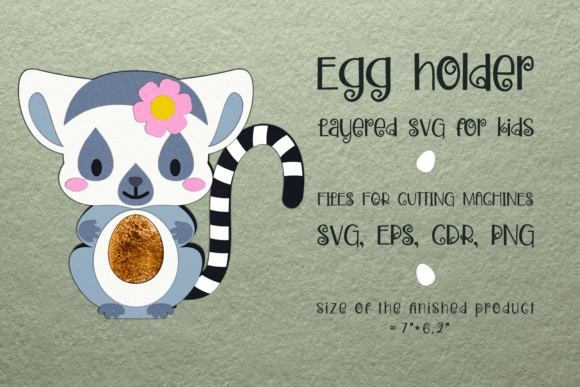
The first thing that strikes me about this design is its playful personality. It falls under the Shapes category, but it carries a distinct narrative charm. The concept of a baby lemur holding an Easter egg is inherently sweet, making it a strong candidate for spring-themed collections. However, the description notes it is a "3D SVG" and a "Paper Craft Template." This requires a critical distinction for us embroidery professionals. While the file format suggests vector scalability often used in cutting machines, adapting this for embroidery requires careful consideration of stitch types and density. If you are planning to use this as a direct embroidery file, you must ensure it has been properly digitized for stitching, not just cutting.
Real-World Application: The Spring Boutique Test
To truly evaluate the Baby Lemur Easter Egg Holder, I imagined a real-world scenario. Suppose you are a small shop owner preparing for the Easter rush. You want to create a line of personalized gifts that stand out from the generic bunny motifs flooding the market. I visualized placing this design on a pastel-colored tote bag. The lemur’s expressive eyes and the rounded shape of the egg offer a balanced composition that draws the eye without overwhelming the item.
In this context, the design works exceptionally well for custom apparel and accessories. Imagine it stitched onto a child’s sweatshirt. The whimsical nature of the lemur appeals to parents looking for unique baby embroidery options that feel modern rather than dated. For an Etsy seller, this kind of distinctive character design can become a signature element of your brand. It moves beyond simple decoration and becomes a storytelling piece. Customers are not just buying a shirt; they are buying a charming moment captured in thread.
Technical Performance and Stitching Clarity
When we talk about performance, we are talking about stitch integrity. A design like this, with potential curved lines and organic shapes, relies heavily on the quality of the satin stitch work. If the digitizer has used wide satin columns for the lemur’s outline, you need to be cautious. Wide satins can snag easily, especially on items that will be washed frequently, like kitchen towels or baby clothes. I would recommend checking if the design uses a combination of satin and fill stitch areas to maintain durability.
The mention of "multi-layer design" in the product description suggests depth. In embroidery, layers translate to stitch density. High density can look luxurious, but it can also pucker lightweight fabrics. If you are stitching this on a thin cotton tea towel, you must use a high-quality cut-away stabilizer to support the weight of the threads. Without proper stabilization, the fabric will distort, and the lemur’s features might look warped rather than whimsical.
For those considering this for embroidered patch creation, the design’s closed shapes are advantageous. Patches require dense stitching to prevent fraying edges, and a character-based design like this holds up well when merrowed or satin-edged. However, always test a sample first. What looks crisp on a digital mockup can lose definition if the thread colors do not have enough contrast against the background fabric.
Navigating Fabric and Hoop Constraints
One of the most common mistakes makers make is ignoring the relationship between hoop size and design scale. The Baby Lemur Easter Egg Holder needs breathing room. If you are working with a small 4x4 hoop, ensure the design fits comfortably within the inner ring, leaving at least half an inch of margin. Crowding the edges leads to skipped stitches and hoop burns.
Fabric texture also plays a pivotal role. On textured fabrics like terry cloth or fleece, fine details can get lost. If the lemur’s facial features are created with very fine running stitch details, they may disappear into the pile of a towel. In such cases, I advise simplifying the color palette or using thicker threads to enhance visibility. Conversely, on smooth, dark fabrics, you must ensure the digitizing includes proper underlay stitches to prevent the background color from showing through the top stitches.
Curved surfaces, such as caps or hats, present another challenge. Embroidering a multi-layer character on a curved brim requires precise positioning. The design should be centered perfectly, or the perspective will look off. For holiday embroidery projects like caps, I recommend using a frame stabilizer to keep the fabric taut and prevent shifting during the stitching process.
Commercial Viability and Brand Consistency
For commercial embroidery professionals, consistency is key. If you plan to sell finished products featuring the Baby Lemur Easter Egg Holder, you need to verify the licensing terms. The product description mentions it is a digital product and references cutting machines, so it is crucial to confirm if the license extends to physical embroidered goods. Never assume; always check the specific terms provided by the creator.
From a branding perspective, this design adds value. It shows attention to detail and a willingness to move beyond clip-art aesthetics. When customers see a well-executed, unique design, their trust in your craftsmanship increases. This translates to higher perceived value and better customer retention. Whether you are creating printable mockup images for your online store or photographing the actual finished product, the clarity of the design will shine through.
Practical Designer Notes for Best Results
Before you commit to a large batch of production, follow these practical steps:
- Test on Scrap Fabric: Always stitch a test sample on the same type of fabric you intend to use for the final product. This reveals issues with tension and density.
- Check Thread Contrast: Use a color wheel to select thread colors that pop. A lemur with low-contrast shading may look muddy from a distance.
- Review Stitch Density: If the design feels too stiff after stitching, consider reducing the density in your editing software if you have the rights and skills to do so.
- Inspect Small Details: Zoom in on the digital file. Are there tiny jumps or unnecessary trims? Clean up the path if possible to reduce thread waste and production time.
- Verify File Compatibility: Since the description mentions "3D SVG" and cutting machines, ensure you have the correct embroidery file formats (such as PES, DST, or JEF) for your specific machine.
In conclusion, the Baby Lemur Easter Egg Holder offers a delightful aesthetic for spring projects. Its success, however, depends entirely on your technical execution. By respecting the limitations of your fabric, hoop, and machine, you can transform this digital asset into a cherished handmade item. Whether for a personal gift or a small business inventory, thoughtful preparation ensures that your embroidery project reflects the professionalism and care your customers expect.