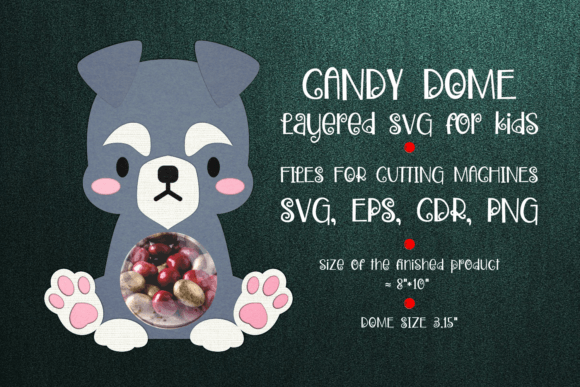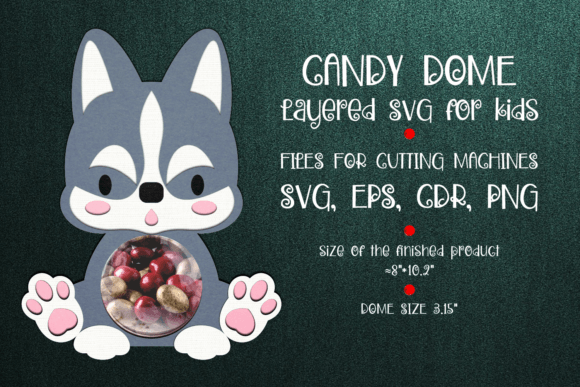
Reviewing the French Bulldog Candy Dome Template
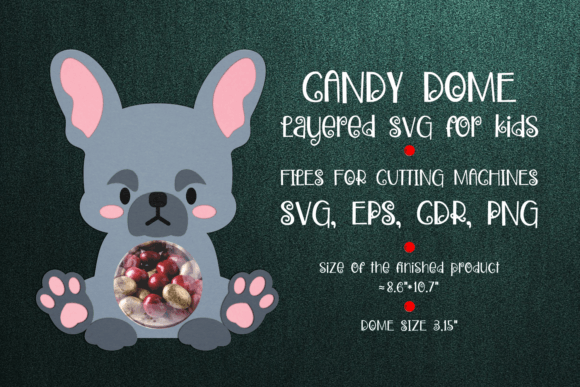
As a designer who spends more time analyzing stitch paths than scrolling social media, I approach every new machine embroidery design with a mix of curiosity and caution. We have all been there: downloading a file that looks pristine on the screen, only to watch it pucker or distort the moment the needle hits the fabric. Today, I am taking a close look at the French Bulldog Candy Dome Template. While the product description labels this as a digital download for cutting machines and paper craft, my interest lies in how this specific aesthetic translates into the world of thread and textile. Specifically, I am evaluating its potential as a visual reference or adaptable asset for embroidery projects, keeping in mind its classification within the Animals category and its nature as a 3D SVG.
First Impressions: Mood and Visual Personality
The immediate appeal of the French Bulldog Candy Dome Template is its whimsical charm. French Bulldogs are currently dominating the pet accessory market, and combining that popularity with a "candy dome" or sucker holder concept creates a playful, sweet vibe. From a design perspective, the layout suggests a focus on bold outlines and recognizable shapes rather than hyper-realistic detail. This is crucial for embroidery. When I look at this template, I see a design that prioritizes silhouette and character. The mood is lighthearted and fun, making it an instant candidate for personalized gifts, boutique branding, or small shop products aimed at dog lovers.
However, because this is originally marketed as a paper craft design, the lines are likely clean and geometric. For an embroidery designer, this presents both an opportunity and a challenge. Clean lines translate well to satin stitches, but we must be mindful of how these 2D vectors convert into textured thread work. The visual personality is distinct: it is not trying to be elegant or traditional; it is trying to be cute and engaging. This clarity of intent is what makes a design sellable.
Real-World Application: From Screen to Stitch
Let us imagine a real-life scenario. You run a small Etsy shop specializing in custom apparel for pet owners. A client requests a personalized sweatshirt featuring their Frenchie. Using the French Bulldog Candy Dome Template as your base inspiration or direct digitized file (assuming you have converted or purchased the correct embroidery format), you need to ensure the final product holds up to daily wear.
In this context, the design performs best when scaled appropriately. On a sweatshirt or a tote bag, the larger surface area allows the details of the dog’s face and the candy element to breathe. The fill stitch areas, if digitized correctly, should provide solid coverage without becoming too dense, which would make the garment stiff. For a baby embroidery project, such as a onesie or a nursery decor item, the softness of the design fits perfectly. Parents love animal motifs that are friendly and non-threatening, and the rounded edges typical of a candy dome theme contribute to that safe, approachable feel.
I also see strong potential for this design in home decor. Imagine it stitched onto a pillow cover or a kitchen towel. The contrast between the playful subject matter and the domestic setting creates a charming juxtaposition. For holiday embroidery, such as Christmas stockings or Valentine’s Day gifts, the "candy" aspect can be emphasized through thread color choices—think bright pinks, reds, and whites. This versatility is what separates a one-time use graphic from a valuable design asset.
Navigating Technical Challenges
While the aesthetic is strong, we must discuss where the French Bulldog Candy Dome Template requires careful handling. Embroidery is unforgiving of poor planning. If you are working with textured fabrics, such as terry cloth towels or fuzzy fleece, fine details can get lost. In these cases, I recommend simplifying any intricate inner details and relying on bold satin stitch borders to define the shape.
Another critical consideration is fabric stability. If you are stitching this onto a stretchy fabric like a t-shirt or a cap, proper stabilization is non-negotiable. A curved surface like a baseball cap distorts designs easily. The symmetrical nature of many animal faces means that even a slight pull can make the dog look crooked. Always test the design on scrap fabric first. Check your hoop size to ensure the entire design fits without needing to re-hoop, which can cause alignment issues.
Density is another factor. If the original 3D SVG has complex overlapping elements, the digitized version might become too thick. High stitch density on thin fabric will cause puckering. I advise reviewing the stitch count and density settings in your embroidery software. If the design feels too heavy, consider converting some filled areas to running stitches or applique techniques. An applique design approach, where fabric pieces are stitched down, can reduce bulk and add a nice textural contrast, especially for a craft business looking to offer premium handmade products.
Enhancing Product Value and Brand Consistency
How does this design affect your bottom line? A well-executed French Bulldog Candy Dome Template embroidery project signals professionalism. Customers associate clean stitching and thoughtful design with higher value. When you use consistent themes across your small shop product line, you build brand recognition. If your brand is known for cute, pet-centric items, this design reinforces that identity.
Visual appeal drives buyer engagement. In online listings, such as those for an Etsy seller, the clarity of the design in photos is paramount. Use printable mockups to show how the embroidery looks on different items before you even stitch a single thread. Test the design in black and white mockups to ensure the contrast holds up. If the design relies solely on color to distinguish features, it may fail on monochrome items. Ensure that the shape itself is strong enough to stand alone.
Practical Notes for the Embroidery Designer
Before you commit to a large production run or list this as a commercial embroidery product, take these practical steps:
- Verify File Compatibility: Since the source is described as a 3D SVG for cutting machines, ensure you have the appropriate software to convert or purchase the correct embroidery file formats (such as PES, DST, or JEF) compatible with your machine.
- Check Licensing: Confirm whether the license allows for commercial use. Can you sell finished items like embroidered patches or tote bags? Can you resell the digital embroidery file? Never assume; always read the terms.
- Thread Color Contrast: Select thread colors that pop against your fabric. For dark fabrics, use lighter threads or outline the design with a contrasting border to maintain visibility.
- Test Washability: If the final product is a garment or kitchen towel, it will be washed. Test the design for durability. Does the thread fray? Does the fabric pucker after washing?
- Inspect Small Details: Zoom in on your digitized file. Are there tiny jumps or unnecessary trims? Clean up the path to ensure smooth stitching.
In conclusion, the French Bulldog Candy Dome Template offers a delightful starting point for creative entrepreneurs. Its strength lies in its recognizable subject matter and playful theme. However, its success in the physical world depends entirely on the designer’s attention to technical detail. By respecting the limitations of fabric and thread, and by carefully adapting the design for its intended use, you can transform a simple digital asset into a cherished handmade product. Whether for a custom apparel order or a boutique display, this design has the potential to delight customers, provided it is executed with precision and care.