Easter Bunny on the Egg 3D Shadow Box: A Designer’s Review
As a graphic designer who frequently collaborates with small business owners and handmade brands, I am constantly evaluating new digital assets for their practical application in real-world client projects. Recently, I had the opportunity to review the Easter Bunny on the Egg 3D Shadow Box template. This is not merely a static image; it is a sophisticated layered paper-cutting template designed for precision crafting and digital manipulation. For designers working in the creative marketplace, understanding how such an asset performs under professional scrutiny is essential before integrating it into a paid client deliverable.
First Impressions: Visual Mood and Stylistic Fit
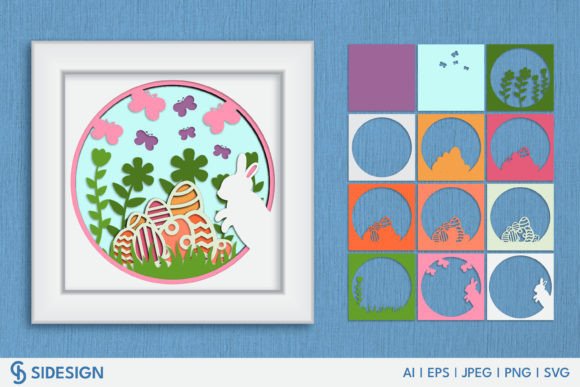
The immediate visual impact of this 3D SVG design is one of whimsical depth and tactile charm. The composition centers on a charming bunny figure nestled within or upon an egg structure, utilizing multiple layers to create the illusion of physical depth. This aesthetic aligns perfectly with the modern trend of digital papercraft, which has gained significant traction in the handmade business sector. The style is playful yet structured, making it an ideal candidate for projects that require a touch of nostalgia mixed with contemporary clean lines.
When considering brand identity, this asset speaks directly to audiences who value craftsmanship and attention to detail. It creates a warm, inviting mood that is particularly effective for seasonal campaigns. However, from a professional standpoint, it is crucial to recognize that this is a decorative illustration rather than a minimalist logo element. Its complexity demands space and respect within a layout, meaning it fits best in projects where the visual narrative is central to the communication strategy.
Practical Applications in Client Projects
In my recent work preparing a visual concept for a boutique Etsy shop launching a spring collection, this Shadow Boxes style asset proved versatile. Here is how it performs across various design mediums:
- Packaging Design: The layered nature of the file allows for exceptional use on product labels and box inserts. When printed on textured cardstock, the design mimics actual hand-cut paper, elevating the perceived value of the product.
- Social Media Graphics: For Instagram posts and Pinterest pins, the high-contrast layers stand out well against pastel backgrounds. It serves as an excellent hero graphic for announcing seasonal sales or new arrivals.
- Print-on-Demand Merchandise: While complex for standard t-shirt printing, this design excels in sublimation design applications for mugs, tote bags, and all-over-print apparel, where color gradients and fine details are preserved.
- Digital Products: For clients selling Cricut projects or printable wall art, this template is a ready-to-use solution. It reduces the design time significantly, allowing sellers to focus on marketing visuals rather than asset creation.
The asset functions beautifully as a central focal point in editorial design layouts, such as spring-themed blog headers or newsletter features. Its intricate details encourage viewers to pause and examine the image, thereby increasing engagement time—a key metric for digital marketers and content creators.
Strategic Placement and Visual Hierarchy
Understanding where to place this graphic design asset is critical for maintaining visual hierarchy. Because the Easter Bunny on the Egg 3D Shadow Box contains multiple layers and fine cut lines, it dominates the visual field. Therefore, it works best in large layout areas where it can breathe. Using it as a decorative accent in a crowded footer or a busy sidebar would likely result in visual clutter, reducing its effectiveness and potentially confusing the viewer.
Conversely, this asset should be used with caution in minimalist branding or corporate materials that rely on stark simplicity. The playful, illustrative nature of the bunny and egg motif may clash with serious, high-end professional tones unless the brand specifically targets a family-oriented or craft-centric demographic. In such cases, scaling down the image for use as a subtle watermark or a small icon is not recommended, as the intricate details of the 3D effect will be lost, rendering the image muddy and indistinct.
Technical Performance and Designer Notes
Before approving any asset for a client project, I conduct a series of technical checks. Here are my practical notes for designers considering this SVG design:
- File Format Inspection: Ensure you are working with the correct file type. The SVG format is essential for scalability without loss of quality, particularly for large-format prints like posters or banners. If the package includes PNG files, check the transparency edges to ensure there are no white halos that could disrupt placement on colored backgrounds.
- Contrast Testing: Test the design in black and white first. This helps verify that the layers are distinct enough to be recognized even without color. If the layers blend together in grayscale, you may need to adjust the spacing or color values in your design software to maintain clarity.
- Typography Pairing: This illustration pairs well with handwritten fonts or soft serif fonts that complement its organic, crafted feel. Avoid pairing it with harsh, industrial sans-serif fonts unless you are aiming for a deliberate eclectic contrast. The typography should support the whimsical nature of the bunny without competing for attention.
- Mockup Verification: Always preview the asset on real product mockups. A design that looks sharp on a white canvas may lose definition when applied to a curved mug or a folded greeting card. This step is vital for ensuring the final commercial design meets professional standards.
Licensing and Commercial Viability
For freelance designers and agency professionals, verifying the commercial license is non-negotiable. Before using this digital product in a client’s branding kit or for a print-on-demand store, confirm that the license covers commercial use. Many assets in the creative marketplace are for personal use only, and violating these terms can lead to legal complications for both the designer and the client. Assuming the license permits it, this asset offers high value for small business branding, particularly for those in the crafting, parenting, or seasonal gift niches.
In conclusion, the Easter Bunny on the Egg 3D Shadow Box is a robust and visually engaging asset that holds up well under professional review. It offers a unique blend of traditional papercraft aesthetics and modern digital convenience. When used strategically in appropriate contexts—such as packaging, social media campaigns, and specialized merchandise—it enhances the emotional appeal and professionalism of a design project. However, designers must remain mindful of its complexity, ensuring it is given enough space to shine and is paired with complementary typographic and layout elements. For the right client, this design bundle component can be the cornerstone of a successful seasonal launch.