Lemonade Shadowbox: A Designer’s Practical Review
When I first pulled up the Lemonade Shadowbox file on my screen, my initial reaction was one of cautious optimism. As an experienced designer who has spent countless hours digitizing and testing files for real-world application, I look for more than just aesthetic appeal. I look for stitchability, structural integrity, and commercial viability. This design, categorized under Shadow Boxes and available as a 3D SVG, presents an interesting challenge because it bridges the gap between digital cutting applications and traditional embroidery aesthetics. While the product description notes it is primarily a digital cutting file for machines like Cricut or Silhouette, many of us in the craft community often adapt these layered vector concepts into embroidered art. Here is my honest assessment of how this design holds up when translated into a tangible, stitched reality.
First Impressions and Visual Mood
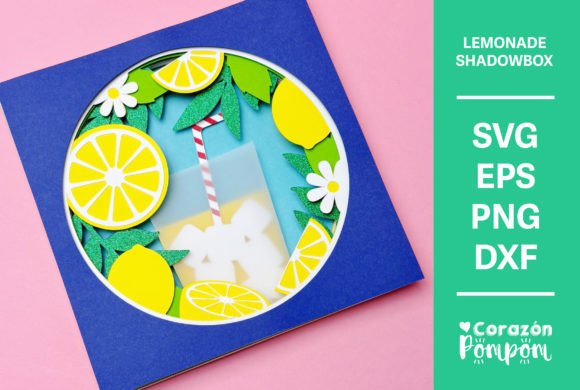
The visual personality of the Lemonade Shadowbox is undeniably cheerful and summery. The layout suggests a layered composition, likely featuring citrus motifs, perhaps some typography, and decorative framing elements that mimic the depth of a physical shadow box. For an embroidery project, this translates to a need for careful color management. The mood is light, airy, and inviting, making it an excellent candidate for spring and summer collections. However, the complexity of a "shadow box" style implies multiple layers. In embroidery, layering is achieved through thread density and color contrast rather than physical paper or vinyl layers. My immediate concern was how the design handles transition points between these visual layers. Does it rely on dense fill stitches that might pucker lightweight fabric, or does it utilize clever running stitches and satin borders to create definition without bulk?
Real-World Application: The Custom Tote Bag Test
To truly evaluate the Lemonade Shadowbox, I imagined applying it to a high-demand item: a custom canvas tote bag. Tote bags are a staple for Etsy sellers and small shop owners because they offer a large, flat surface area ideal for showcasing detailed designs. In this scenario, the design’s scale becomes critical. If the Lemonade Shadowbox is intended for a 5x7 or 6x10 hoop, it would sit perfectly centered on a standard tote. The bright yellows and greens inherent in a lemonade theme pop beautifully against natural cotton or white canvas.
However, the "3D SVG" nature of the source file suggests intricate details. When stitching this onto a tote, I would recommend using a heavy-cut stabilizer to prevent the fabric from pulling under the weight of the stitches. The visual appeal here is strong; customers are drawn to designs that look professional and finished. A well-executed Lemonade Shadowbox on a tote bag signals quality, enhancing the perceived value of the handmade product. It moves the item from a simple utility bag to a boutique-style accessory, which is exactly what craft business owners aim for.
Versatility Across Product Lines
Beyond tote bags, where else does this design shine? I see significant potential in sweatshirt embroidery. The cozy texture of fleece or French terry cloth provides a sturdy base for the denser stitch areas likely found in the shadow box frame elements. The contrast of bright citrus threads against a pastel pink or heather grey sweatshirt creates a trendy, youthful look that appeals to a broad demographic. For baby embroidery, such as on a onesie or burp cloth, the design would need to be scaled down significantly. Here, the simplicity of the shapes matters. If the Lemonade Shadowbox includes tiny text or intricate leaf veins, these might get lost or become scratchy on sensitive skin. In such cases, simplifying the stitch types—swapping complex fills for simpler satin columns—might be necessary to maintain comfort and clarity.
For those creating embroidered patches, this design could work well if the edges are cleanly defined. Patches require tight, dense stitching to hold the shape when cut. If the Lemonade Shadowbox has jagged or overly complex outer boundaries, it might be challenging to merge efficiently for patch creation. However, if the design features bold outlines, it could make for a striking iron-on or sew-on accessory, adding another revenue stream for digital product sellers.
Technical Considerations and Potential Pitfalls
While the aesthetic is charming, there are technical hurdles to consider. The term "Shadow Box" implies depth, which in embroidery is often simulated through shading and layering. This can lead to high stitch density. If you are working with thin or stretchy fabrics, such as a lightweight t-shirt or a curved cap, this density can cause puckering or distortion. I strongly advise testing the design on scrap fabric identical to your final product before committing to a customer order.
Another critical factor is the hoop size. Since the product description mentions it is a digital cutting file, the original dimensions might not be optimized for standard embroidery hoops. You may need to resize the design, which can affect stitch count and density. Resizing a design larger than its original digitization can result in gaps between stitches, while shrinking it too much can cause thread breaks and needle jams. Always check the recommended hoop size and stitch count if provided by the digitizer, or perform a test run to determine these metrics yourself.
Color choice is also paramount. The Lemonade Shadowbox relies on a specific palette to convey its theme. Using low-contrast thread colors on dark fabrics will render the design invisible. I recommend creating black and white mockups to check the design's silhouette and clarity before selecting threads. Ensure that your thread colors have enough contrast to distinguish the different "layers" of the shadow box effect.
Commercial Viability and Brand Consistency
For Etsy sellers and creative entrepreneurs, the Lemonade Shadowbox offers a seasonal boost. It fits neatly into categories like holiday embroidery for summer holidays, kitchen towel designs, or apron decorations. The key to successful sales is consistency. If your brand focuses on rustic, farmhouse styles, this bright, modern design might feel out of place unless adapted. However, for brands focusing on vibrant, contemporary, or family-oriented products, it is a strong asset.
Customer trust is built on the quality of the finished product. A poorly stitched Lemonade Shadowbox with loose threads or misaligned layers can damage your reputation. Conversely, a crisp, clean execution enhances buyer engagement and encourages repeat business. Use proper stabilizers, fresh needles, and high-quality threads to ensure the final product reflects professionalism.
Final Verdict and Designer Notes
In conclusion, the Lemonade Shadowbox is a versatile design with strong visual appeal, provided it is handled with technical care. It is not a plug-and-play solution for every fabric type or machine setup. Before using it in commercial embroidery projects, verify the licensing terms. The description states it is a digital cutting file, so ensure you have the right to use it for embroidered goods if you are adapting it.
- Test on scraps: Always run a test stitch-out to check for puckering or thread breaks.
- Check stabilizer: Use cut-away stabilizer for stretchy fabrics and tear-away for stable woven fabrics.
- Review density: If the design feels too stiff, consider reducing fill density in your software.
- Contrast matters: Ensure thread colors stand out against the fabric background.
- Licensing: Confirm whether the file license covers commercial embroidery use, as it is marketed primarily for cutting machines.
By approaching the Lemonade Shadowbox with a designer’s eye for detail and a crafter’s practicality, you can transform this digital asset into a standout piece in your portfolio. Whether for a personalized gift or a small shop product, its success lies in the execution. Treat it with respect, test it thoroughly, and it will serve as a bright, engaging addition to your design library.