Easter Egg 3D Shadow Box: A Designer’s Review
As an embroidery designer who has spent countless hours digitizing and testing files for client projects, I approach every new machine embroidery design with a critical eye. It is not enough for a file to look pretty on a screen; it must hold up under the needle, survive the wash cycle, and appeal to the end customer. Recently, I evaluated the Easter Egg 3D Shadow Box, a digital asset marketed for use with craft cutting machines like Silhouette and Cricut. While the primary description highlights its utility as a 3D SVG for paper crafts and vinyl, my focus was on translating this layered aesthetic into thread. Here is my practical assessment of how this design performs in real-world embroidery scenarios.
First Impressions: Mood and Visual Personality
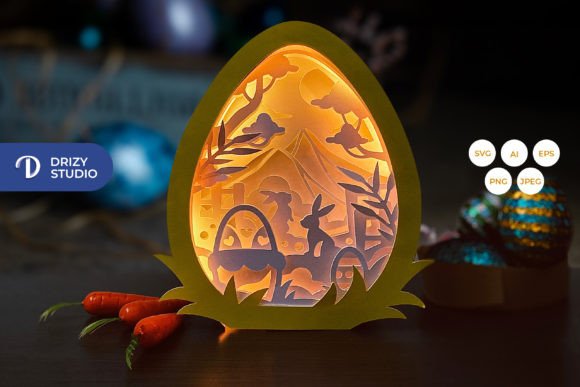
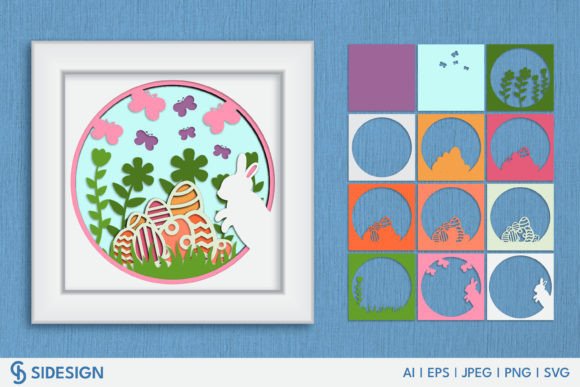
The immediate appeal of the Easter Egg 3D Shadow Box lies in its structural depth. Unlike flat, single-layer motifs, this design mimics the popular shadow box trend seen in paper crafting, where layers create an illusion of three-dimensionality. For an embroiderer, this presents both an exciting challenge and a unique opportunity. The mood is playful yet sophisticated, perfectly suited for spring collections. The layout suggests a central egg motif surrounded by dimensional framing elements, which naturally draws the eye to the center. This visual hierarchy is crucial for custom apparel and personalized gifts, where you want the viewer to focus on the main subject before noticing the intricate border details.
When I first loaded the file into my editing software, I looked closely at the line work. The design relies heavily on clean lines and distinct separation between layers. In embroidery terms, this translates well to a combination of satin stitch borders and fill stitch backgrounds. The "shadow" effect is achieved through offset layering, which, if stitched correctly, can add genuine texture to a garment without requiring excessive bulk.
Real-World Application: From Screen to Stitch
To test the viability of this design, I imagined a specific project: a high-end tote bag design for a local boutique preparing for their Easter launch. The goal was to create a handmade product that felt premium rather than mass-produced. The Easter Egg 3D Shadow Box fit this brief because its structured nature allows for bold thread choices. I envisioned using a matte cotton thread for the background layers and a slightly shinier rayon for the central egg to enhance the 3D effect.
Beyond tote bags, this design has strong potential for sweatshirt embroidery. The larger surface area of a crewneck sweatshirt allows the layered details to breathe. When scaled appropriately, the design avoids looking cluttered, which is a common pitfall with complex multi-layer files. For Etsy sellers and small shop product creators, this versatility is a major selling point. You can offer the same design on different items—aprons, pillow covers, or even framed hoop art—by simply adjusting the scale and thread palette.
However, it is important to note the source format. Since the product is described as a 3D SVG for cutting machines, embroidery professionals must ensure they have the correct digital embroidery file format (such as PES, DST, or JEF) before attempting to stitch. If you are working from a vector SVG, you will need to digitize it yourself or convert it using specialized software, paying close attention to stitch angles to maintain the shadow effect.
Navigating Technical Challenges
While the aesthetic is strong, the Easter Egg 3D Shadow Box requires careful handling during production. The "3D" aspect implies density. In embroidery, density equals stiffness. If you plan to use this on baby embroidery items, such as onesies or soft blankets, you must be cautious. High stitch density can make fabric scratchy and uncomfortable against sensitive skin. I recommend reducing the fill density by 10–15% if stitching on lightweight knits or jersey fabrics.
Another consideration is fabric texture. This design features sharp corners and defined edges, which look best on smooth, woven fabrics like cotton twill, linen, or canvas. On textured fabrics like terry cloth or heavy fleece, the fine details of the shadow layers may get lost. Similarly, stitching on curved surfaces like caps requires precise hooping. The layered nature of the design means that any misalignment between the background frame and the foreground egg will break the 3D illusion. Always use a quality stabilizer—cut-away for stretchy fabrics and tear-away for stable wovens—to ensure the stitches remain crisp.
For those considering this for embroidered patch production, the design is excellent. Patches allow for higher density without comfort concerns, and the bold outlines of the shadow box style translate beautifully to merrowed edges. Just ensure your hoop size accommodates the full width of the outermost layer with adequate margin for trimming.
Enhancing Product Value and Brand Consistency
From a business perspective, the Easter Egg 3D Shadow Box adds perceived value to a finished product. Customers associate layered, detailed designs with higher effort and skill. When used in commercial embroidery projects, such as corporate spring gifts or boutique branding, it signals attention to detail. The design’s clean lines also make it ideal for creating printable mockup assets. Because the shapes are distinct, you can easily visualize how different thread colors will interact, allowing you to present multiple options to clients before stitching a single thread.
Color choice plays a pivotal role here. To maximize the shadow effect, use contrasting tones. A pastel egg on a dark navy background creates a striking pop, while monochromatic tones (e.g., light green on dark green) offer a subtle, elegant look suitable for modern home decor. Always test your color combinations on scrap fabric first. What looks vibrant on a monitor may appear muddy when stitched, especially if the stitch density causes thread blending.
Practical Notes for Designers and Makers
Before committing to a large production run, follow these practical steps:
- Verify File Compatibility: Ensure you have the correct embroidery formats. If only SVG is provided, budget time for digitizing or conversion.
- Test Stitch-Outs: Always stitch a sample on the actual fabric you intend to use. Check for puckering, thread breaks, and registration accuracy.
- Check Licensing: Confirm whether the design license allows for commercial use. As an Etsy seller or craft business owner, you must know if you can sell finished items made with this design.
- Optimize for Scale: If shrinking the design for small items like pocket squares, simplify the inner details to prevent thread bunching.
- Consider Washability: For items like kitchen towels or aprons that face frequent washing, use high-quality polyester thread and secure stabilizer to maintain integrity.
In conclusion, the Easter Egg 3D Shadow Box is a versatile and visually engaging design that bridges the gap between digital crafting and traditional embroidery. While it originates as a cut-file concept, its structural logic translates well to thread when handled with technical precision. For designers willing to test, adjust, and refine, it offers a fresh take on holiday embroidery that stands out in a crowded market. Whether you are creating a personalized gift for a neighbor or stocking your online shop with spring essentials, this design provides a solid foundation for professional, eye-catching results.